RIVER FALLS — Matthew Bouthilet, the operations supervisor of Allina Health EMS in River Falls, gave a presentation to the River Falls City Council on the day-to-day operations of the EMS …
This item is available in full to subscribers.
To continue reading, you will need to either log in, using the login form, below, or purchase a new subscription.
If you are a current print subscriber, you can set up a free website account and connect your subscription to it by clicking here.
Otherwise, click here to view your options for subscribing.
Please log in to continue |
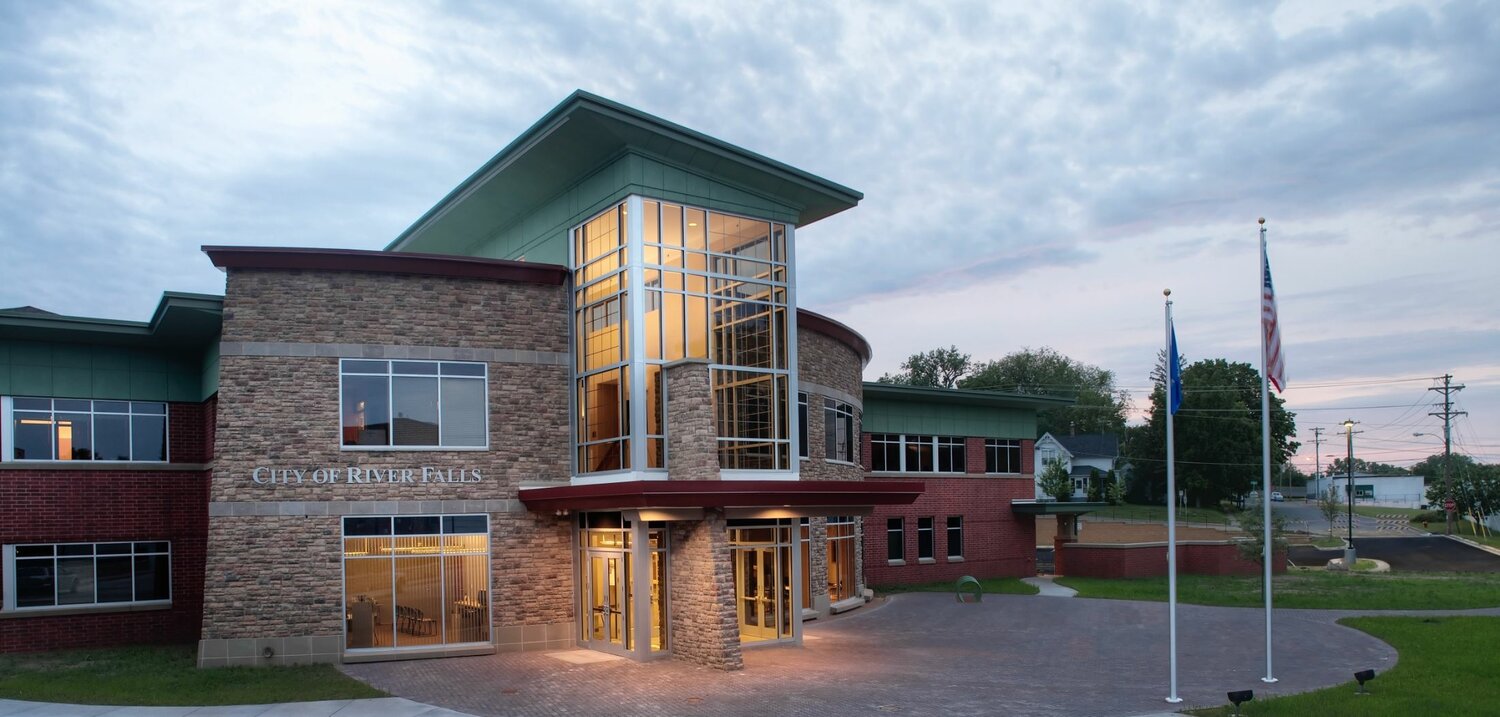
RIVER FALLS — Matthew Bouthilet, the operations supervisor of Allina Health EMS in River Falls, gave a presentation to the River Falls City Council on the day-to-day operations of the EMS during the Dec. 10 meeting.
Allina became the emergency medical services provider for River Falls in November 2020, taking over for River Falls’ municipally-run EMS.
Allina in River Falls has a notably high net promoter score, which Bouthilet said is a score for if people would recommend Allina to people in the community, checking in around 95%. While staffing was formerly a challenge coming out of the pandemic, that has now changed as they are 105% staffed.
“There’s not a lot of EMS agencies or public safety agencies for that matter that can put up those kinds of numbers,” Bouthilet said. “Operational data largely supports that that staffing is a big benefit to the community.”
Going from River Falls EMS to Allina EMS, the staffing has increased from nine to 24 full-time employees.
Allina has made significant investments over the past four years including a radio system to relay information to better communicate externally and internally, a powerload stretcher system to help lift patients into the vehicles and upgrades to their building.
Looking ahead, the purchase of new vehicles is expected as the fleet is “aging,” costing a minimum of $300,000 per ambulance, according to Bouthilet. They are also aiming to continue to do outreach including going to special events to be a part of the community.
“As far as I know, we have not said no to one single special event request to this point,” Bouthilet said. “Perhaps the name on the side of the truck has changed, but I want to remind everyone that those are still River Falls ambulances. They start their shift here, they end their shift here and they do 99% of the work in this community.”
Bouthilet said much of the staff carried over, so the River Falls community is still extremely valuable to them.
Allina’s contractual obligation for response reliability is to make it to a call in under 11 minutes in the city and 18 minutes in rural areas 90% of the time. The number for the year at the time of the meeting was 96.8%. Bouthilet said response times have not drastically changed in recent years, but they have improved slightly.
Public comment
Dana Linscott spoke on a purchase of land by the city for $125,000, approved at the most recent council meeting. Linscott said, a few months ago, the property was purchased for $85,000. He theorized that the topic has been discussed in closed sessions, and said after “secrecy no longer serves the public,” minutes from the sessions are required to be posted.
“Unfortunately, River Falls ignores this state law,” Linscott said. “Only those present know if you were made aware that your choice to purchase this property would provide the owner of two months of 50% profit.”
Linscott has spoken at multiple previous public comment sessions about concerns of the operation of the city’s compost site, this time congratulating them for setting measures into place.
“It’s unfortunate the DNR had to intervene to get that ball rolling, but, now that it is, I hope the city will implement the rest of the suggestions quickly,” Linscott said. “It’s not only the right thing to do, it should save taxpayers nearly $100,000 over the next few years.”
Resident Krista Spieler spoke about the Campus Corridor Project, a development that received council acceptance in 2020 and lays out the future on and around Cascade Avenue. Spieler said they were not notified of the development of the plan and asked that the city do a better job in the future of informing residents on plans that could impact them.
Benjamin Fochs thanked the council for making the decision to increase funding for the handling of Emerald Ash Borer in the city.
“I don’t think people realize how many of those [trees] are going to be gone within the next five years,” Fochs said.
He said he hopes the city also supports the planting of new trees along with the removal.
William Hansen again spoke to the council on the hydro energy the city generates through its dam and hydro electricity generation system.
“Locally generated renewable hydro energy directly benefits our 7,400 electric utility customers as a supplement to their electric budget,” Hansen said. “This local power clarification offsets a part of the power costs of each individual electric bill.”
Hansen also mentioned the benefits of avoiding burning fossil fuels through the renewable energy source.
Jamie Johnson, who is running for St. Croix County circuit judge, shared his experience and the reasons people should consider him for the position.
“People that have worked with me say I’m a good listener and I have the demeanor, temperament and skills of being a good judge,” Johnson said. “If elected, I will bring my core values of hard work, dedication, integrity and fairness when I go to work for St. Croix County residents and businesses.”
Other business
No consent agenda items were pulled for discussion, with each of them passing unanimously: