The Pierce County Finance and Personnel Committee on Jan. 6 approved a resolution governing the sale of up to $30.475 million in general obligation bonds to fund construction of the county’s …
This item is available in full to subscribers.
To continue reading, you will need to either log in, using the login form, below, or purchase a new subscription.
If you are a current print subscriber, you can set up a free website account and connect your subscription to it by clicking here.
Otherwise, click here to view your options for subscribing.
Please log in to continue |
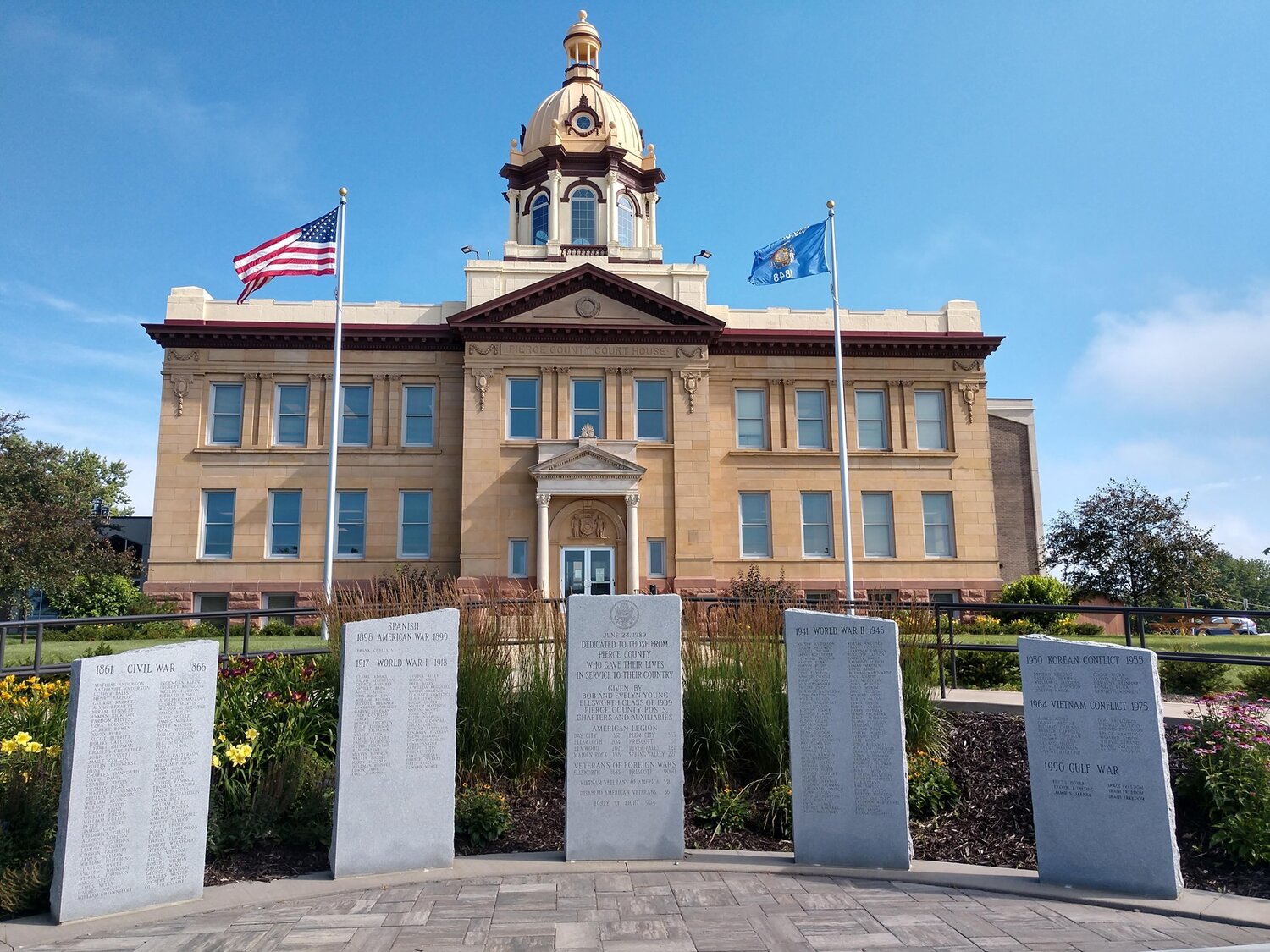
The Pierce County Finance and Personnel Committee on Jan. 6 approved a resolution governing the sale of up to $30.475 million in general obligation bonds to fund construction of the county’s new judicial facility.
The resolution, which also would levy a property tax for repaying the bonds over 20 years, advanced to the Board of Supervisors for final consideration at its Jan. 28 meeting.
Sean Lentz, a senior municipal advisor with the county’s consultant, Ehlers, Inc. of Roseville, Minn., said the property tax impact of the bond sale would be lower than earlier anticipated because of lower interest rates.
For a $100,000 property, the judicial facility bond debt would increase property taxes by an estimated $11, assuming no county growth, according to Lentz. If the county tax base expands through an assumed 5 percent growth, the tax on the $100,000 property would increase by $8, he said.
If the Board of Supervisors approves the resolution, next steps include issuance in mid-February of an “official statement,” like a prospectus, detailing a bond rating and other pertinent information for potential investors. Competitive bids for the bond sale would be solicited and then a sale proposal, including the bond interest rate, would go to the Board of Supervisors Feb. 25 for approval, Lentz said. The county would receive proceeds of the bond sale by March, he added.
Lentz said Pierce County’s total general obligation bonded indebtedness would remain well below the state’s limit on such debt to 5 percent of the county’s total equalized property value.
“The county has used borrowing very conservatively in the past,” Lentz told the committee.
In other action, the committee approved a resolution to establish a well water trend monitoring network and spending $35,000 per year for five years on the project. Supervisor Michael Kahlow said the Department of Water Resources has indicated it could help finance the project.
A network is needed to gather statistically valid data on groundwater quality trends and track potential problems, Kahlow said following a presentation from county Land Conservation Director Rod Webb on the Ad Hoc Groundwater Committee’s interim report.
The report said 14 percent of sampled wells in the county have nitrate levels above federal drinking water standards, according to information the committee received from the University of Wisconsin, Steven Point’s well water dataset. The standard set by the Environmental Protection Agency is 10 parts per million.
“Major areas of contamination appear to be in a cluster in Clifton Township and in a broad swath from Prescott to Plum City,” the report said. It added that “likely sources” of the nitrates are septic systems and agricultural activities, but cautioned that there is insufficient data to draw firm conclusions on contamination sources.
The limited groundwater data for the county is the result of lack of random sampling and low voluntary participation in county-sponsored well testing. “There are clusters of neighbors that submitted samples and other areas with few or no samples at all, which may also skew results,” the report said.
The network would include wells making up a representative sample of the county’s land uses, soils and geological regions. The county would partner with UWSP’s Center for Watershed Science and Education to operate the network. Sampling would test for nitrates, chloride, pH, total hardness, alkalinity and conductivity.
An estimated 38 percent of county residents rely on 5,824 recorded private wells for drinking water. The remaining 62 percent rely on municipal sources, which also draw from groundwater.
“Many factors” contribute to well water nitrate contamination, the report said, including differences in how wells are constructed, old or poorly maintained wells, and nearby land uses.
Potential threats to water quality the report identified include concentrated agricultural operations, such as concentrated animal feeding operations and intensive row crop farming, land use changes, high-capacity well withdrawals, soil health deterioration and erosion, surface water impacts on groundwater, point sources of contamination, public awareness of groundwater quality issues, and aging groundwater infrastructure.
The report said, “few options exist for wells that exceed nitrate standards.” Among them are point-of-use reverse osmosis systems that need regular filter changes and maintenance, drilling a new well, or relying on bottled water for drinking and cooking.