The 2025-27 state budget was approved by the Wisconsin State Legislature and signed by the Governor early Thursday morning, securing several bipartisan wins for Wisconsinites. Though the budget is …
This item is available in full to subscribers.
Attention subscribers
To continue reading, you will need to either log in, using the login form, below, or purchase a new subscription.
If you are a current print subscriber, you can set up a free website account and connect your subscription to it by clicking here.
Otherwise, click here to view your options for subscribing.
Please log in to continue
Need an account?
Print and web subscribers
If you're a print and web subscriber, but do not yet have an online account, click here to create one.
Online-only subscribers
If you are a digital subscriber with an active, online-only subscription then you already have an account here. Just reset your password if you've not yet logged in to your account on this new site.
Non-subscribers
Click here to see your options for becoming a subscriber.
The 2025-27 state budget was approved by the Wisconsin State Legislature and signed by the Governor early Thursday morning, securing several bipartisan wins for Wisconsinites. Though the budget is far from perfect, it is a victory in terms of compromise and bipartisanship. Here are 10 things you should know about the budget deal:
Tax cuts: It includes $1.5 billion in tax relief, largely targeting middle-class and senior citizens. It exempts much more retirement income from taxation, making Wisconsin a better place to retire, and expands the second tax bracket, allowing more money to stay in the pockets of middle-class citizens. It also eliminates the state sales tax on residential electricity and natural gas bills.
Fixing our Roads and Bridges: It invests $150 million in the Agricultural Roads Improvement Program (ARIP) to improve Wisconsin’s rural roads and invests $100 million in the Local Roads Improvement Program (LRIP) to continue to assist local governments with deteriorating local highways, roads and streets. While investing significantly in our infrastructure, it does so while reducing bonding in the transportation fund.
UW Reform: It gives the UW system a significant funding increase while also making much needed reforms, such as raising the number of credit hours UW faculty must teach in the classroom, requiring all core courses to be transferable between institutions in the UW system, and preventing UW from increasing their number of employees without legislative approval.
Public Safety: It increases funding for the Office of School Safety, including the Speak Up Speak Out tip line, ensuring our kids remain safe at school. It directs additional funding to victims of crime in our state by supporting child advocacy centers and programs funded by the Victims of Crime Act. It also adds over 40 new assistant district attorney positions to ensure our counties ensure swift justice for victims.
Preventing Government Overreach: It prevents the attacks and regulations on constitutional rights and common-sense policies. It blocks attacks on Second Amendment rights, blocks resident tuition for undocumented individuals, blocks unprecedented regulations to Wisconsin businesses, and prevents the creation of a state-based health insurance marketplace. It also cuts over 300 total positions in state government, including wasteful positions associated with the Office of Environmental Justice and the Office of Clean Energy and Sustainability.
K-12 Education: It provides public schools with over $1 billion in new funding. Special education reimbursement rates will increase substantially, anticipating 42% in the first year and 45% the second year, up from the current approximately 32%. Along with public education funding, it stops the attacks on school choice, such as freezes of enrollment in school choice programs, ensuring parents have the options to choose the best educational setting for their kids.
Child Care Improvements: It makes significant investments to Wisconsin’s child care industry, improving the accessibility for mothers and fathers to find child care options. For example, it establishes the elementary school readiness program to allow families to make the choice for what is best for their children when it comes to childcare. The Child Care Counts program is also extended for one more year.
Workers Comp Reform: It creates a workers compensation fee schedule. Wisconsin was the first state to enact a comprehensive workers compensation program in 1911 yet one of the last to create a fee schedule. This addition was long overdue and will save significant amounts of money in Wisconsin.
Controlling Government Spending: It spends a lesser increase than the previous biennial budget. Though spending does increase, it does so at a slower pace than the 2023-25 budget and much slower than the Governor’s initial budget proposal. The GPR increase is 10% less and all funds is 7.3% less than the Governor’s budget proposal.
Eliminated Gender Neutral Language. It continues to refer to mothers as mothers and fathers as fathers in state statute. According to the spring survey results, people in Assembly District 28 indicated overwhelmingly—around 75%--that they do not support changing “mother” to “inseminated person” in state statue. The disrespectful gender-neutral terminology was removed from the Governor’s budget proposal.
If you have any questions or comments, or would like to join my mailing list, please feel free to reach out to me at 608-237-9128 or at Rep.Kreibich@legis.wisconsin.gov.
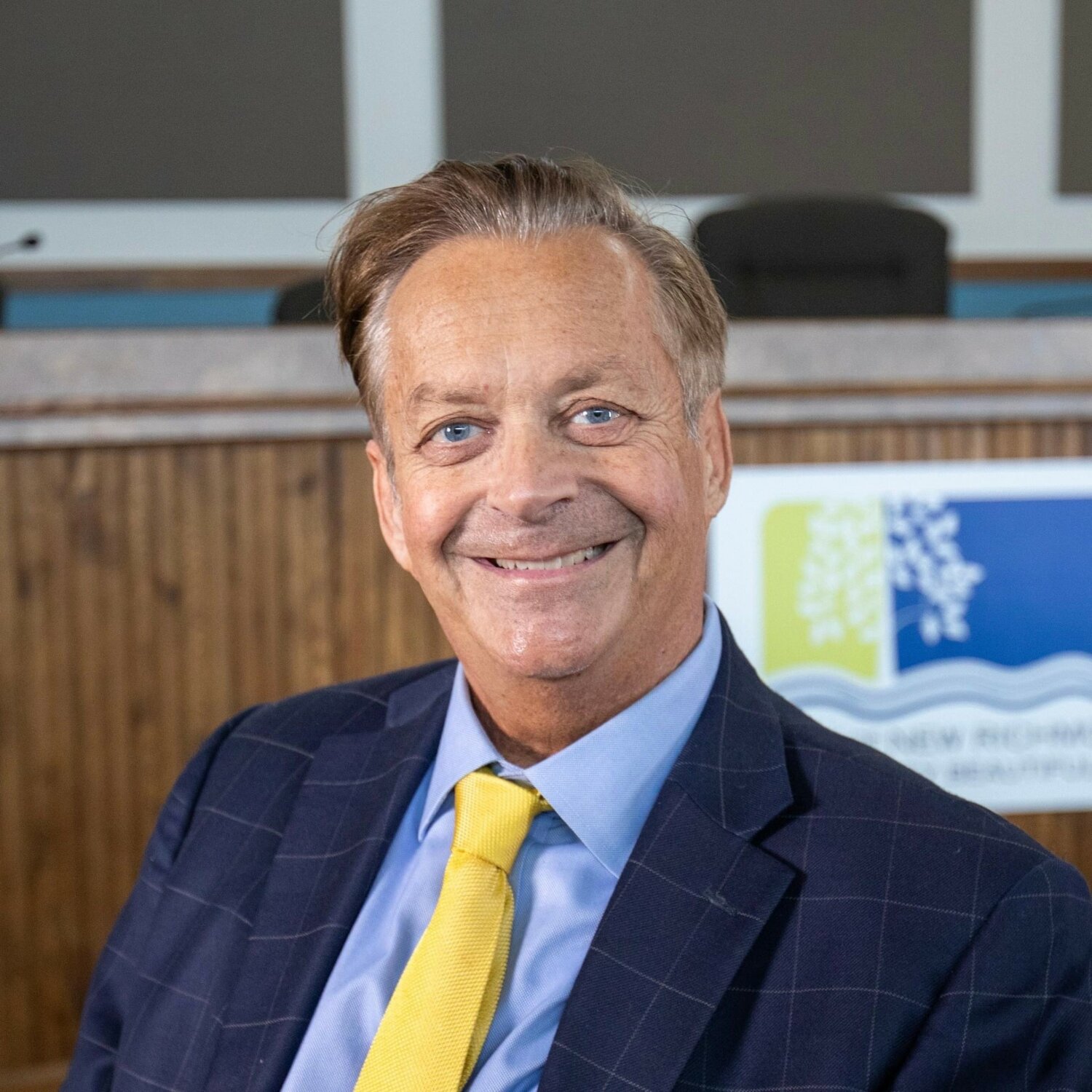
Rep. Rob Kreibich represents Wisconsin’s 28th Assembly District, consisting of parts of St. Croix, Pierce and Dunn Counties.
Keywords
Rep. Rob Kreibich,
2025-27 state budget,
Wisconsin State Legislature,
Wisconsin’s 28th Assembly District,
politics,
column