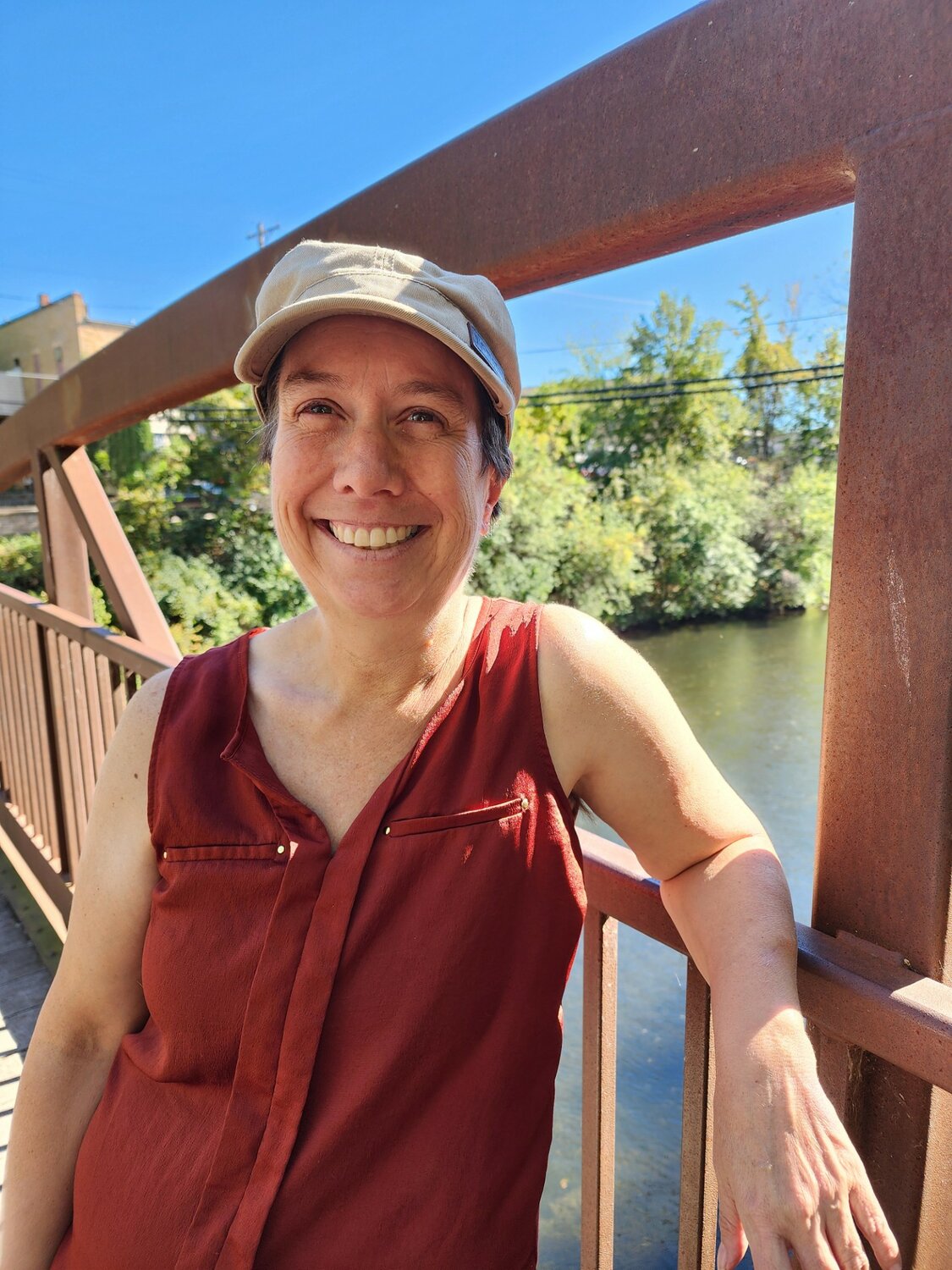
As a weaver, I transform old sheets, worn-out jeans, and other discarded fabric into unique and useful rag rugs, each one a patchwork of memories and renewal. Rag rug weaving has deep roots in rural …
This item is available in full to subscribers.
To continue reading, you will need to either log in, using the login form, below, or purchase a new subscription.
If you are a current print subscriber, you can set up a free website account and connect your subscription to it by clicking here.
Otherwise, click here to view your options for subscribing.
Please log in to continue |
As a weaver, I transform old sheets, worn-out jeans, and other discarded fabric into unique and useful rag rugs, each one a patchwork of memories and renewal. Rag rug weaving has deep roots in rural communities, where resourcefulness turned remnants into warmth underfoot with an aesthetic appeal. This tradition, born out of necessity and ingenuity, connects me to generations who understood that a life well-lived starts with making the most of what we already have.
There was a time when most people had a vast array of hands-on skills like this at their disposal: fix a tool, grow a garden, mend clothing, bake bread, preserve food for the winter. These abilities weren’t called “green skills” at the time. They were simply practical knowledge often passed from one generation to the next. Today, many of those everyday skills are being rediscovered as tools for resilience, budgeting, self-sufficiency, art, and community connection.
Our market-driven culture pushes us to buy more, upgrade faster, and replace what breaks with the newest or cheapest options available. Green skills offer a different path. They reconnect us with the knowledge and abilities to care for our possessions, our homes, our communities, and the natural world. These are practical, hands-on skills that we can draw on to grow food, repair tools, preserve harvests, manage ecosystems, and use resources thoughtfully.
Green skills matter not only because they reduce waste and environmental impact, but because they change our relationship with the things we own. When you know how to weatherize your home, mend clothing, fix a small engine, or repair your bike, everyday objects become more than disposable items; they become part of a meaningful cycle of use, care, and stewardship.
Employing green skills reminds us that true value isn’t always found in purchasing something new; rather, they encourage us to see the worth in what we already own by putting in the effort to maintain, repair, and understand how our possessions work. When we invest our own time and energy into our belongings, we expand and deepen our relationship with them.
In the River Falls community, green skills have been shared through a long-running local tradition: The Green Skills Sampler. Community members began organizing sampler-style workshops more than a decade ago through The Local Food Partnership and River Falls Community Education. The idea was simple: offer short, hands-on sessions that let people try a wide range of practical sustainability skills in one inspiring day.
After a period of change and pause, the Green Skills Sampler was reintroduced in 2025 with renewed energy from community partners including River Falls Community Education, the nonprofit Hope for Earth, and local sustainability advocates like myself. The updated program builds upon the original vision while working to expand opportunities for residents to gain practical knowledge that supports both personal resilience and environmental stewardship.
Over the years, participants have explored topics like growing vegetables, raising chickens, invasive plant management, green burials, and small-engine repair, to name only a handful. Skills and knowledge that encourage greater self-sufficiency and a deeper understanding of, and connection to, everyday systems. Skills and knowledge that can assuage anxiety, empower action, and instill hope in uncertain times.
That spirit of learning will continue at Earth Fest 2026, River Falls’ annual celebration of sustainability, hope, and community action on April 25 at the UW-River Falls University Center. Hosted by Hope for Earth and made possible by sponsorships from the City of River Falls, UW-River Falls, and many others, this free event brings together students, families, educators, and organizations for an afternoon of exhibits, food, music, and hands-on learning focused on sustainable living.
A new component to this year’s festivities, visitors will have the opportunity to participate in Green Skills Mini-Classes during the event: small sampler experiences designed to introduce practical skills in an approachable way, all free of charge. These short sessions are designed to capture the essence of the original Green Skills Sampler: learn something useful, consider something new, and leave inspired to keep learning.
Unlike past Green Skills events which cost a small fee, the samplers offered at Earth Fest will be free to attend. Participants will have the opportunity to learn about Basic Bicycle Maintenance, Keeping Bees, Preserving the Harvest, Mushroom Identification, and many other topics. Attend one session or attend them all: it's up to you! You can find an event guide with a full list of classes at River Falls Community Education or www.hopeforearth.org/earthfest.
Once you’ve gotten a taste at Earth Fest, you can sign up for more in-depth green skills learning opportunities through River Falls Community Education this summer and beyond. Just look for the Green Skills symbol in their catalogs indicating classes that build on this theme.
In many ways, green skills are about rediscovering that knowledge and capability are forms of wealth, something our grandparents may have taken for granted. Knowing how to make compost, grow a tomato plant, weave a rag rug, or repair a bicycle connects us more closely with the myriad systems that sustain our lives and empowers us to be better stewards.
Perhaps most importantly, these skills foster community. When people share knowledge with their friends and neighbors, knowledge such as how to bake sourdough bread, keep bees, or identify and use medicinal and edible plants, they create networks of learning and resilience. When we tap into it, this shared knowledge is one of the most sustainable resources we have.
Green skills remind us that acting sustainability isn’t just about what technology can do for us or establishing regulations. It’s also about everyday capability: knowing skills that allow us to live thoughtfully, waste less, and find a deeper satisfaction with the things we already have.
And sometimes, all it takes to begin is a single workshop, a curious question, and a willingness to try something new.