Entering the second year of the 2025-26 City of River Falls biennial budget, City Council heard a presentation on where adjustments need to be made during an Oct. 14 board workshop.
The original …
This item is available in full to subscribers.
To continue reading, you will need to either log in, using the login form, below, or purchase a new subscription.
If you are a current print subscriber, you can set up a free website account and connect your subscription to it by clicking here.
Otherwise, click here to view your options for subscribing.
Please log in to continue |
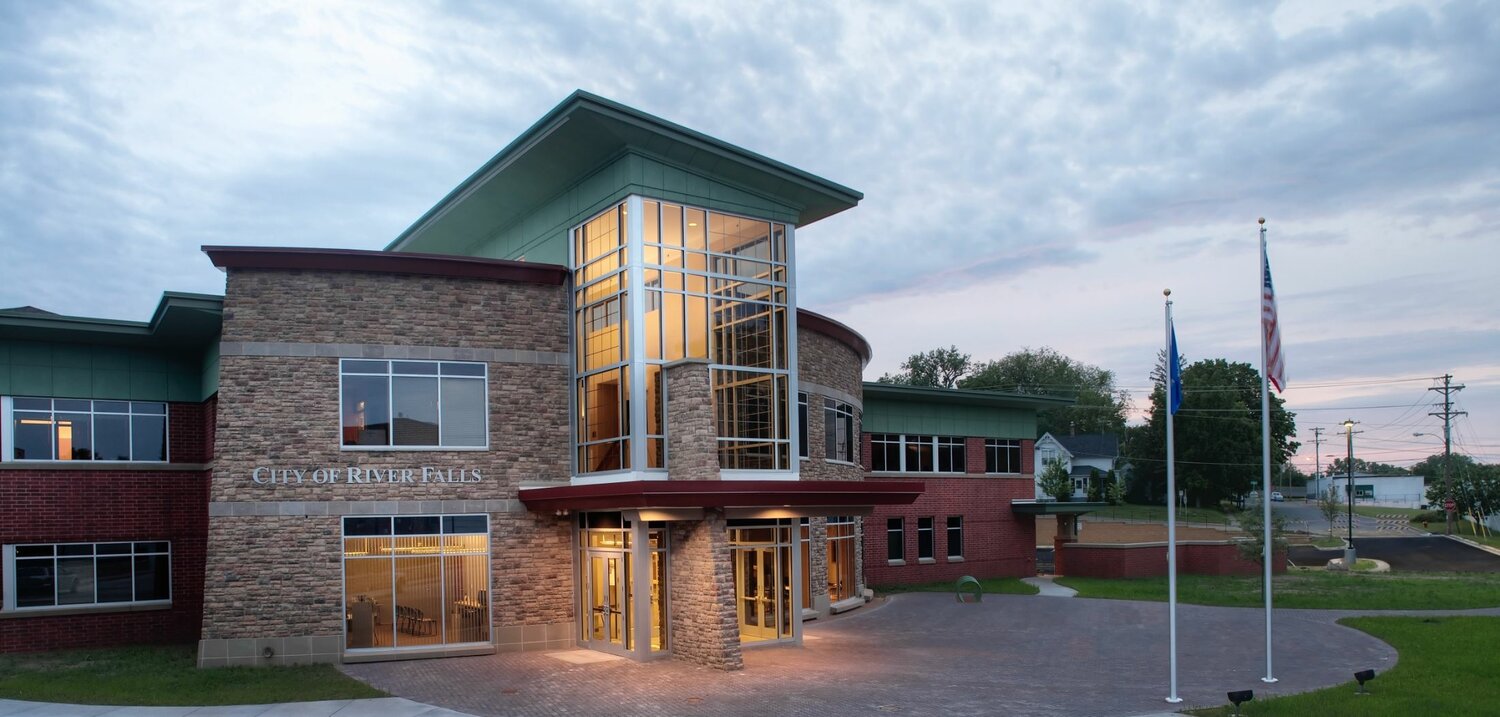
Entering the second year of the 2025-26 City of River Falls biennial budget, City Council heard a presentation on where adjustments need to be made during an Oct. 14 board workshop.
The original planned general fund budget for 2026 was increased by $856,116 to just shy of $14.4 million. Finance Director Josh Solinger said $789,000 comes from moving money from the general fund to finance the Fire Station Remodel Project.
“We’re going to borrow, at this point, we’re planning $7 million for the Fire Station,” Solinger said. “Some of that, about a quarter of a million, roughly, I think it’s about $240,000 will be paid for on an annual basis by the Rural Fire Station.”
Solinger said with some revenue coming in to offset the costs, the city does not have to increase levy up to the limit.
Operations costs increased by about $255,000 for which Solinger cited inflation for goods and services. The personnel budget is expected to decrease by over $200,000 because of a switch to take the money from utility funds rather than transfer out of the general fund.
The Library Trust Fund is seeing a budget increase of $2.3 million for projects at the building not covered by the grant. The fund would cover projects not just in 2026, but onward.
“The Library Building Project that’s currently underway, a $4 million, roughly, grant-funded project is kind of what we’re considering sort of the first phase of what could end up becoming a multi-phase project at the building,” Solinger said. “The first phase is specific to the grant, and then there may be some items out there that aren’t covered by the grant that would be future phase projects. This is being financed through a Library Foundation capital campaign process.”
A $197,000 increase was tacked on to the capital costs budget for 2026, stemming from fiber network installation at the police station, badge access scanners into city buildings and city-wide switch replacements (cybersecurity hardware).
Through all the updates from the originally planned 2026 budget to the updated number, there was a nearly $12.8 million increase from $53.85 million to $66.64 million. Of that, $9.3 million is capital funds for the Fire Station construction project. The city is expecting to exceed its target for unassigned fund balance on the year.
The levy is expected to see a 1.4% increase from the original 2026 number to the update, now slated for $8,479,098.
“That’s actually about $91,000 less than where we thought we’d be in the Fiscal Plan,” Solinger said.
According to Solinger, debt service and capital are lower because of the use of unassigned fund balance.
Solinger also went into net levy calculation. He said they anticipate a 4% maximum net levy increase. The levy from the prior year to the proposed year was presented as a $207,999 increase to $8,479,098. Through growth in the city, River Falls can levy $222,059 more for 2026.
“What we’re saying is the amount of levy that we’re able to raise because of the new growth in the community, that actually exceeds the amount of levy that we’re proposing as an increase from last year to this year,” Solinger said. “It is really good news. You don’t see this very often, but we had what we believe is a record or a near record for net new construction. This kind of result would naturally follow, you just don’t see it very often.”
Solinger said the mill rate is expected to come in around $4.34 per $1,000 of property value, down from the $5.82 contemplated in the 2024-28 fiscal plan. The change comes from a 35% increase in assessed property values.
Solinger said the number does not include TID and other taxing jurisdictions, school district tax, county tax and more, so there is a lot more that goes into property tax bills than the city numbers.